

Buy It Now. It Gets Better Next Week.
How we no longer buy objects, but instead buy trajectories, vision, and shared futures

For most of human history, the day you bought something was the best day it would ever have.
That new car smell? All downhill from there.
A microwave, a watch, a book, a factory machine—on day 1 they were perfect, pristine, complete. From that moment forward, entropy took over. Parts wore out. Interfaces aged. Capabilities stayed frozen in time while the world moved on.
That mental model is now obsolete. Permanently.
The day you buy a product is no longer its peak. It’s the starting line.
If you buy the right thing today, it will be better next week. Smarter next month. Meaningfully more capable a year from now—without you lifting a finger.
This shift is subtle but profound, and it’s the backbone of why we focus so obsessively on software beyond the screen at Ubiquity Ventures. (Watch our 5-minute explainer)
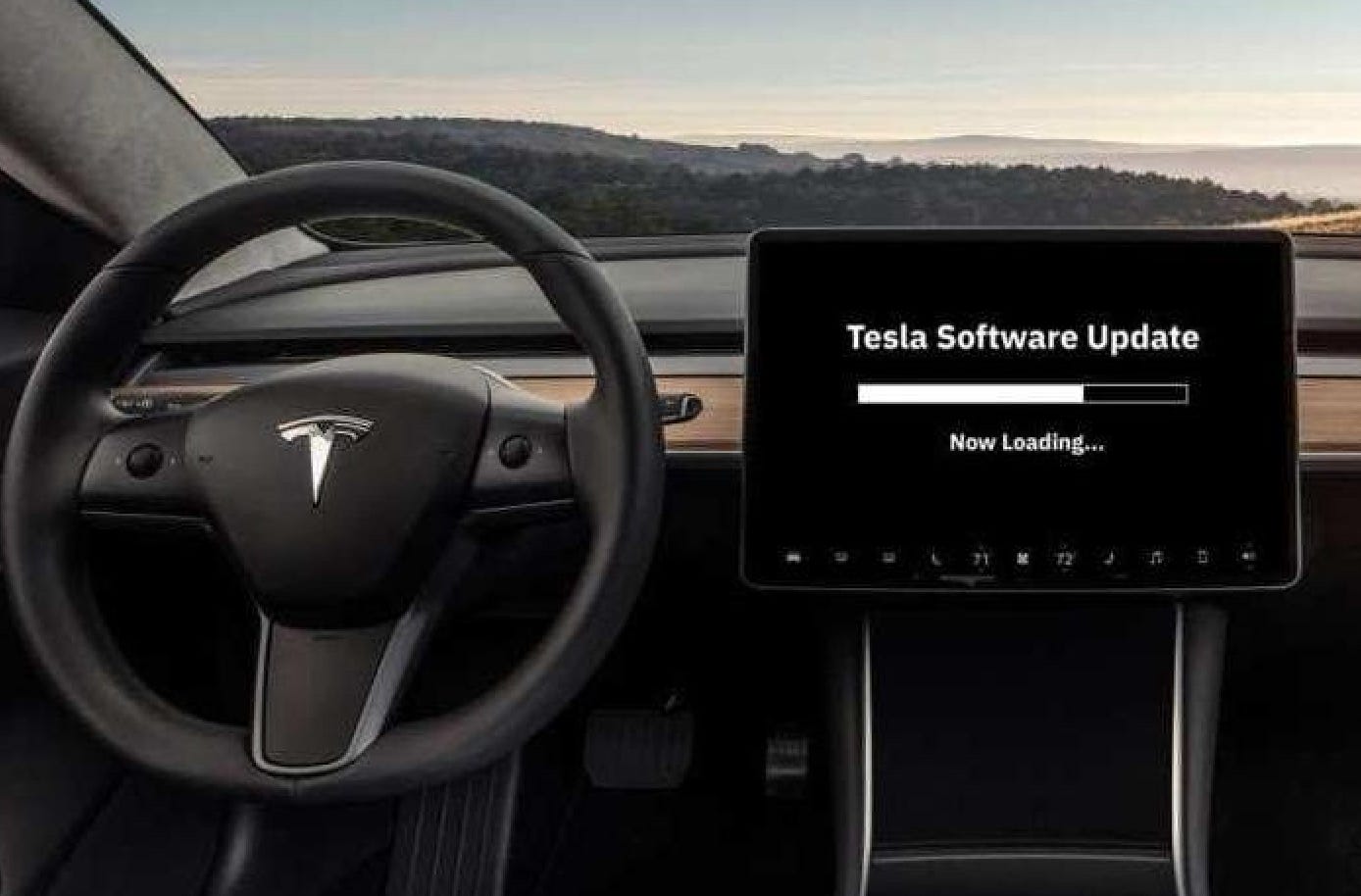
Consider a modern car—say a Tesla. You don’t just buy hardware. You buy into a roadmap. New driver-assist features, performance improvements, safety upgrades—delivered over the air, long after the keys are in your pocket.
The same is true for your Apple devices. Your iPhone and Apple Watch are not static objects. They’re living systems, quietly improving while you sleep.
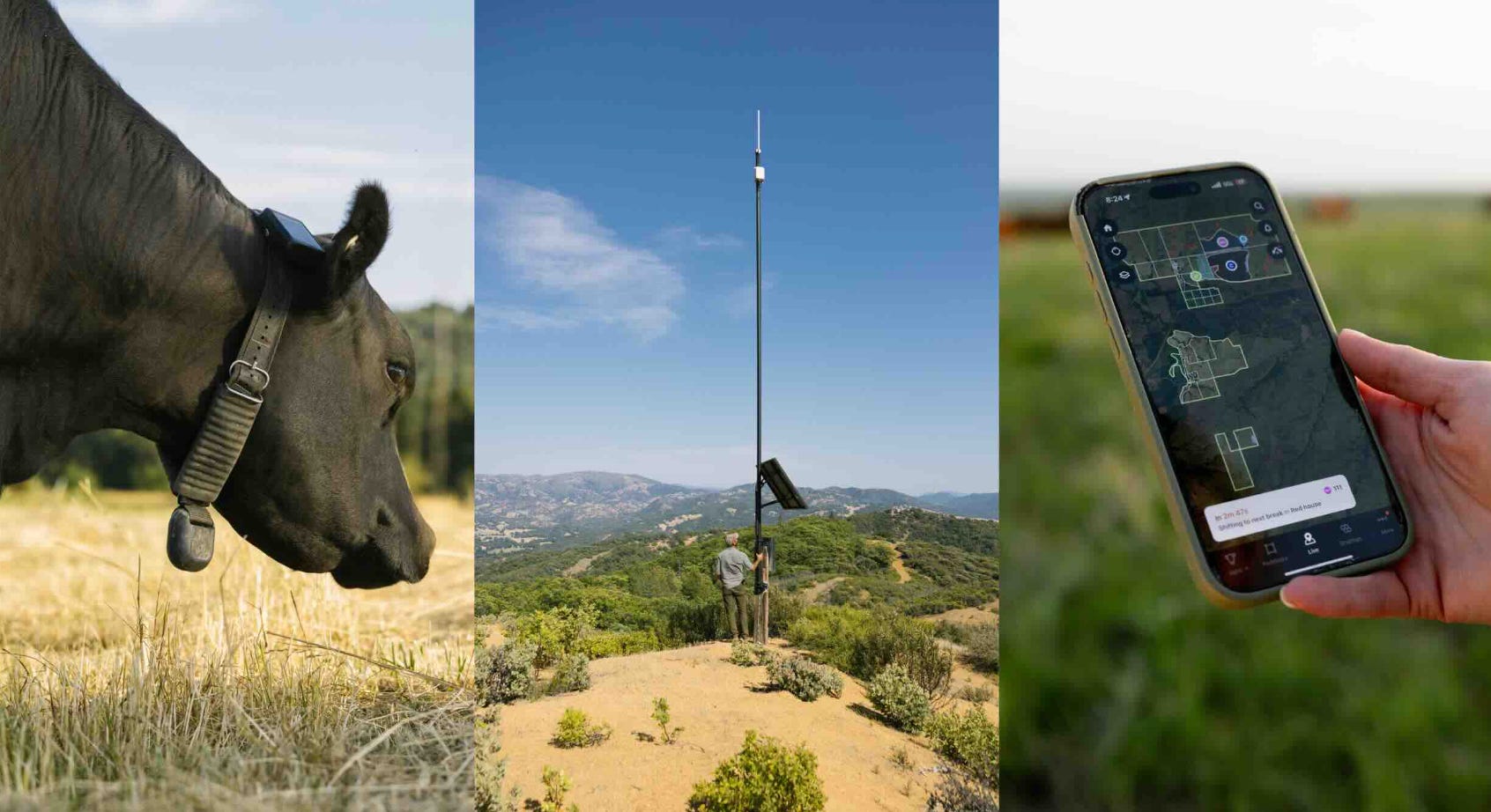
Or take one of our portfolio companies, Halter. Their cow collars—now deployed on over half a million cows—don’t just sit there doing the same thing forever. They receive regular software updates that unlock new capabilities after installation. Farmers aren’t buying a fixed feature set. They’re buying progress. (Read more in our UBQT post “Did You Just Say “Cows”? How Halter Became a Unicorn by Reimagining Livestock Management.
Unlocking nine extra months of software development on the way to Mars
This phenomenon is so powerful that we’re now doing it on other planets.
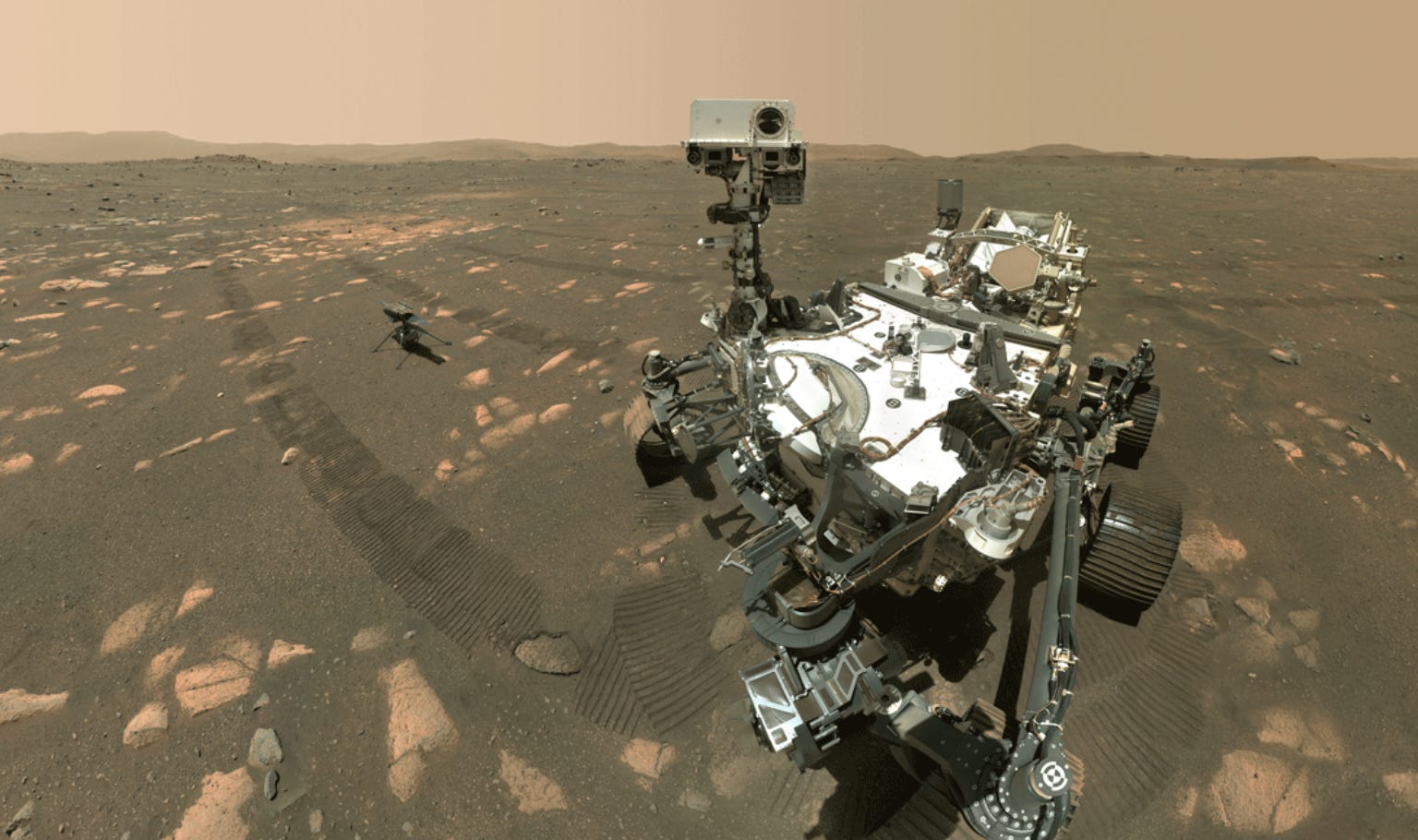
NASA’s Mars 2020 mission launched the Perseverance rover toward Mars on a nine-month journey through space—while engineers kept writing and improving its software back on Earth. Just before arrival, Perseverance got a brain upgrade. It literally landed better than it launched.
What this means: the good and the bad
That has never happened before. Not once. In any era.
But this brave new world cuts both ways.
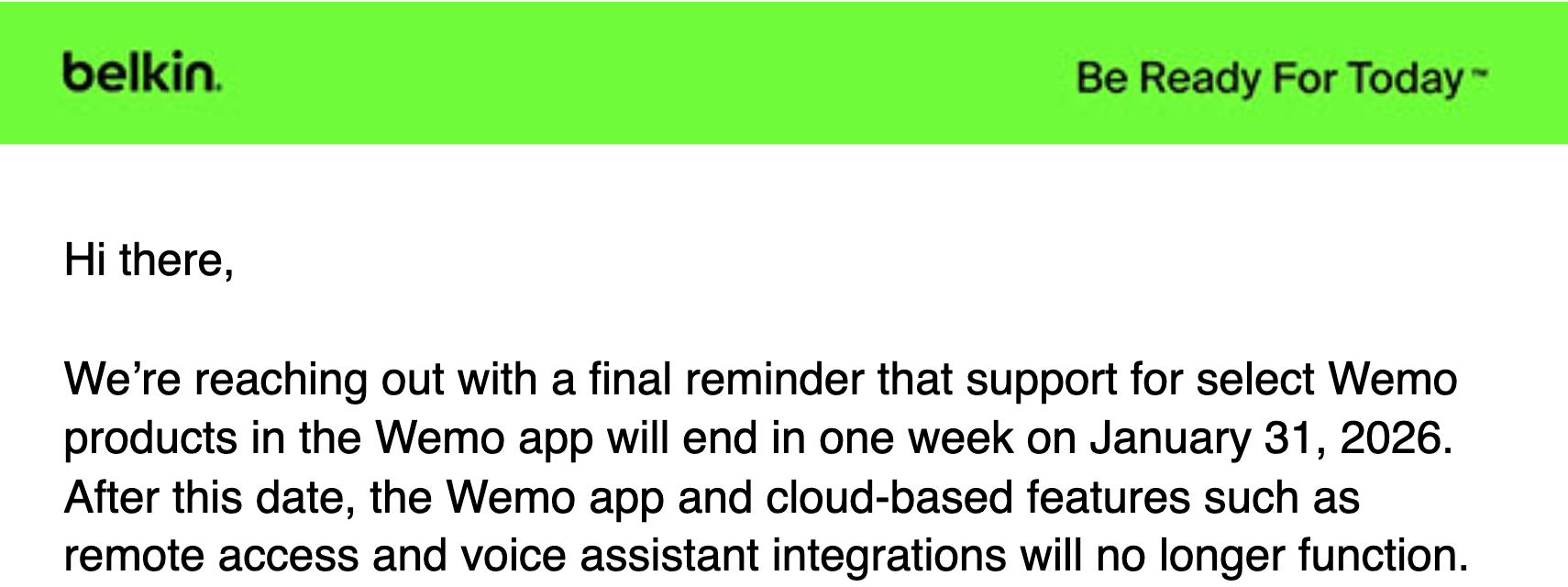
When software can improve hardware, it can also be withdrawn. Belkin recently ended support for its WeMo smart switches—stranding millions of perfectly functional devices (including about a dozen that I own). The risk is real: when you buy a product, you’re also betting on the company behind it.
This leads to the most important implication of all.
You’re no longer buying a spec sheet.
You’re buying a trajectory.
You’re locking hands with a team, a roadmap, and a vision for how that product evolves over time. That creates enormous upside—continuous improvement, new features, expanding value. It also demands more discernment from customers and enterprises alike. Who are you trusting with your future?
This is the world we’re building toward: real-world products that solve physical problems—and get better after you own them.
Buy it now.
It gets better next week.
That’s not a tagline.
It’s a permanent change in how progress works.
Ubiquity Ventures — led by Sunil Nagaraj — is a seed-stage venture capital firm focused on startups solving real-world physical problems with "software beyond the screen", often using smart hardware or machine learning.
If your startup fits this description, reach out to us.
Love this perspective it's so true how even my smart watch gets better with updates to track my pilates sessions making my workout data more insiteful.