

I backed Rocket Lab at <$50 million. Today it joins the NASDAQ-100!
Learn how my first "software beyond the screen" startup investment rocketed upwards to become a $60 billion public company and joined the NASDAQ-100
Today, June 22nd, Rocket Lab (NASDAQ: RKLB) joins the NASDAQ-100, the index of the 100 largest non-financial companies on the NASDAQ stock market. It will sit alongside names like Apple, NVIDIA, and Microsoft.
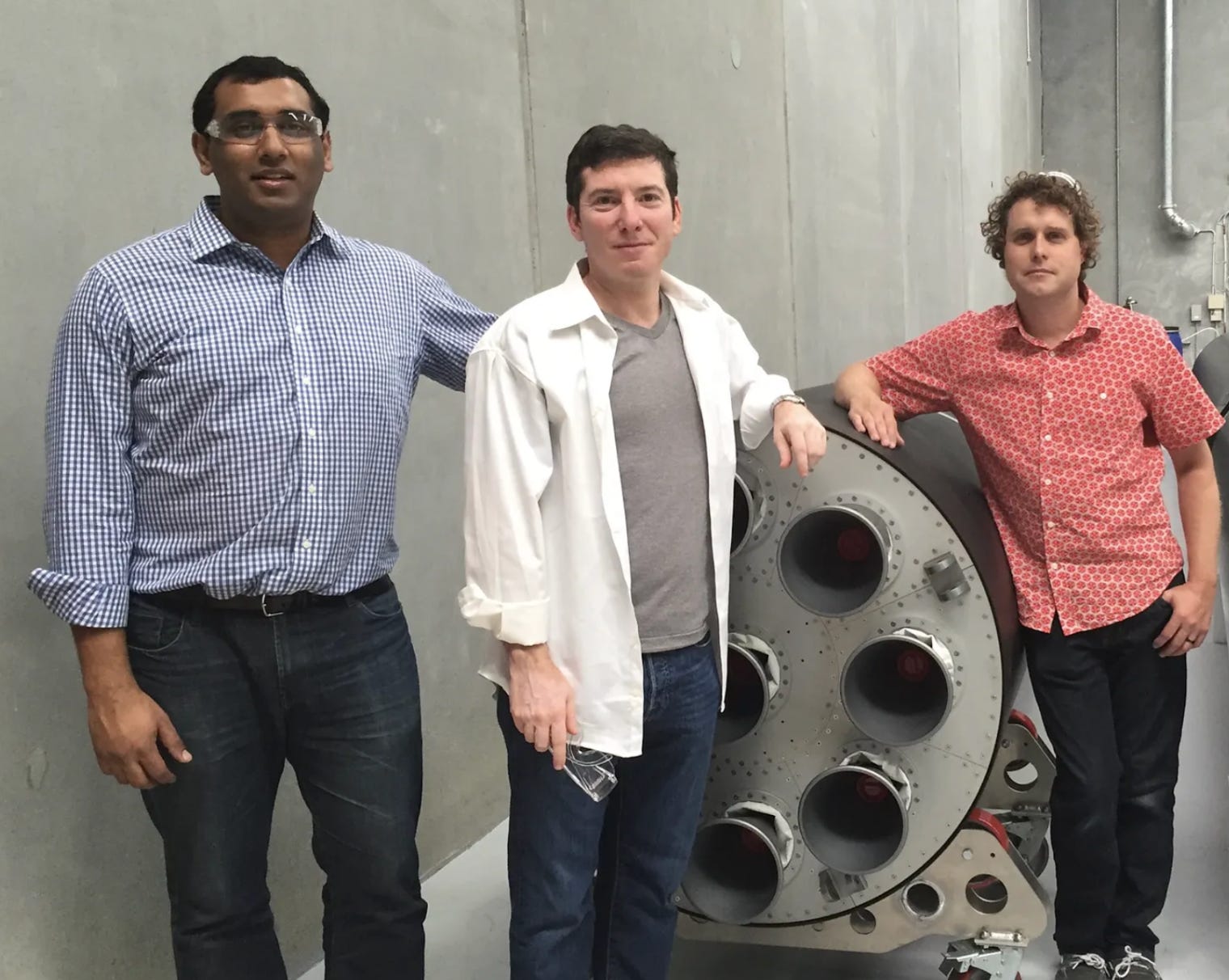
I first backed Rocket Lab in 2014, when the whole company was worth under $50 million and founder Pete Beck was building sub-orbital rockets out of New Zealand.
The bet: “software beyond the screen” meets space
I co-wrote the investment memo on that deal, and Bessemer recently made it public. You can read every word of it here: https://www.bvp.com/memos/rocket-lab
Reading it back is a strange thing. October 2014, and we are describing a 25-person team launching from a privately owned island a 30-minute flight from Auckland, with a preposterous dream of driving launch cadence to one rocket every week.
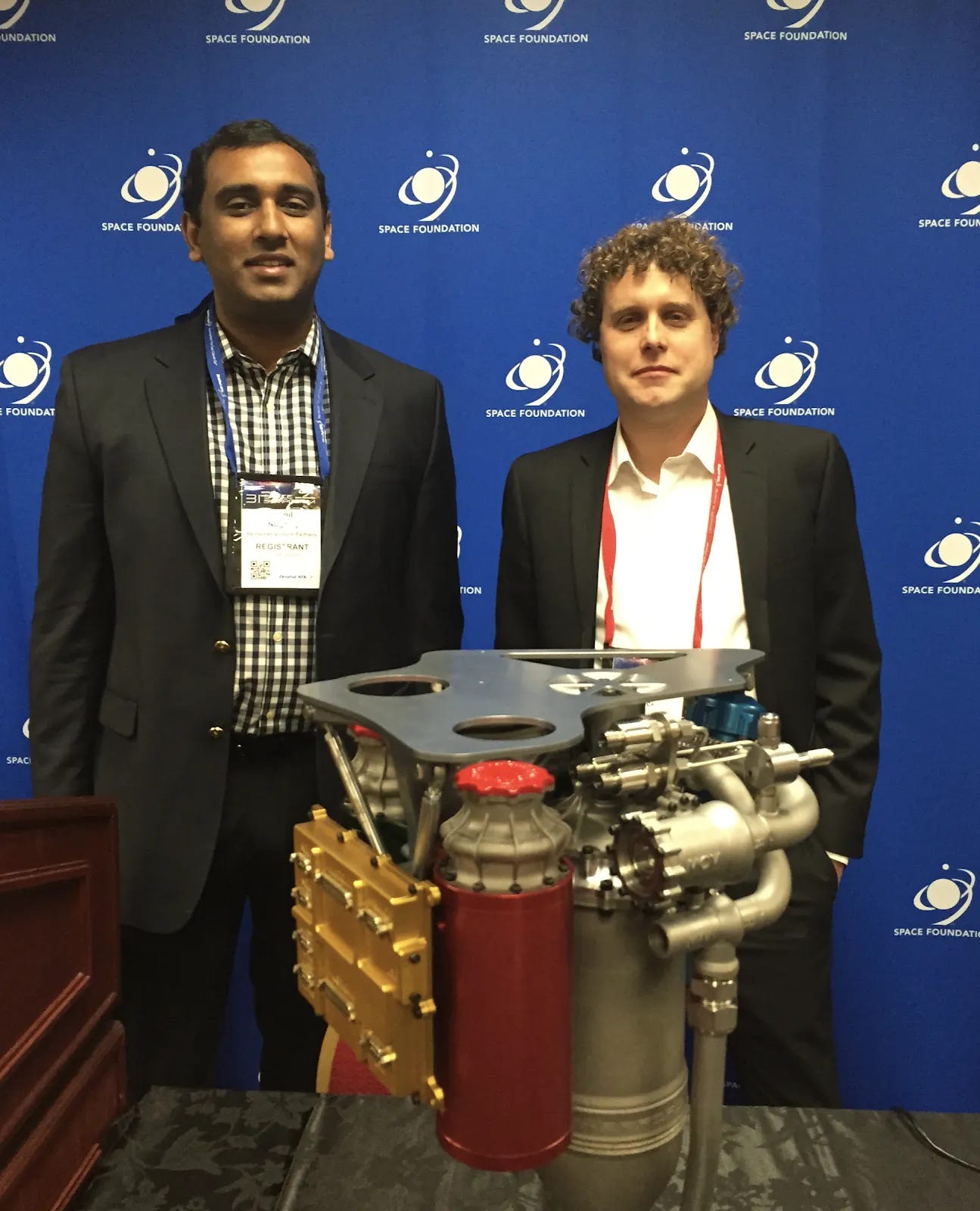
What I believed in then was something tiny, literally. Every orbital rocket on Earth fed fuel to its engines with a complex and intricate mechanical device called a turbopump. Rocket Lab wanted to swap this out with an electric motor-powered turbopump that used batteries and ran software instead. As I wrote at the time, no one had ever made electric turbopumps work.
This was the bet: deep inside a rocket engine you could swap “physical” for ”software”. Software beyond the screen.
A rocket that could be designed, tested, and improved at the pace of software rather than the pace of heavy machinery.
Pete also liked to say the whole thing was absurdly efficient. You could put a satellite in orbit, he claimed, on the fuel it takes to fly a commercial jet from San Francisco to Los Angeles.
We called Electron the T Model Ford of space. One type of bolt. One computer module. Built for volume.
Even the early customers saw it. Planet Labs flew out to New Zealand to inspect the technology and came back calling Rocket Lab an order of magnitude ahead of anything else being built.
Why it stuck with me
That little electric motor is the whole reason this story matters to me. A very big idea riding on a very small piece of engineering. Software pushed out of the data center and into a machine that has to survive a launch. I did not have the phrase for it yet, but this was “software beyond the screen” in its purest form, and it runs in a straight line to the thesis I have invested on at Ubiquity Ventures for the last decade
Being there
The fun part was the front-row seat. I was at the Space Symposium in 2015 when Pete unveiled the engine and its electric turbopump to the world, albeit to a half-empty press room. I flew to Cape Kennedy when Rocket Lab won its first orbital launch contract through NASA later that year. Pete and I took the chance to nerd out on our shared childhood dream of sitting at the actual desk of the Space Shuttle Launch Director.
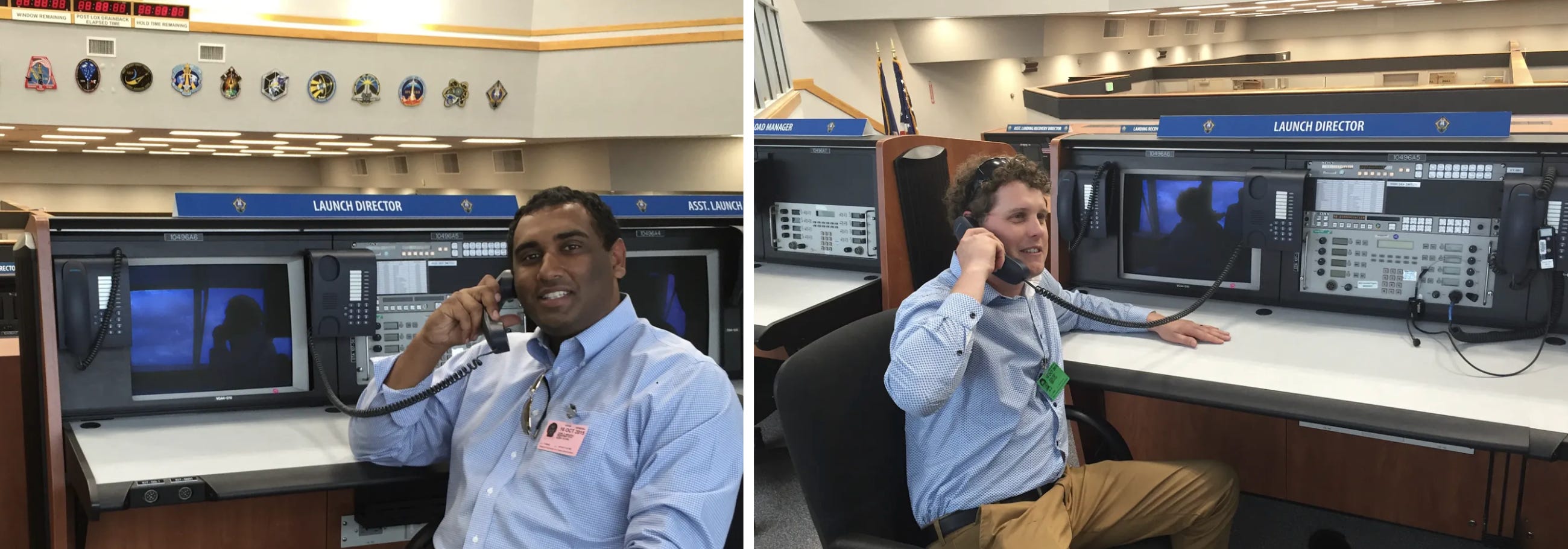
In the memo, I described Pete as a rare mix of vision and no-nonsense execution. He has since returned the compliment.
“Sunil is the rare VC who understands both the business and the science of new technologies. He was by my side when we first announced our rocket engine to the world and when we won our first launch contract at Kennedy Space Center.”
Pete Beck, CEO of Rocket Lab
Where it stands now
Rocket Lab has now flown more than 80 missions and put over 250 satellites into orbit. More than 32,000 New Zealanders own a piece of the company Pete started. Today it takes its place in the NASDAQ-100.
In 2018, Pete introduced me to his former employee Craig Piggott who dove into another application of “software beyond the screen” with Halter, a Ubiquity Ventures portfolio company where Pete and I now serve on the board together.

It’s so rare to get to be part of an arc like this one. I loved being there at the start, and to write down why I believed it before any of it was proven.
Note: Rocket Lab is not a Ubiquity Ventures investment. I backed it during my years at Bessemer and stepped off the board in 2017 when I left to launch Ubiquity Ventures. Everything here is drawn from public news and the public Bessemer investment memo.
Here is more backstory from my 2021 blog post:

Ubiquity Ventures is a seed-stage venture capital firm investing in software beyond the screen. We back founders building AI, software, and smart hardware for the physical world — technology you can touch, hear, and feel.
If you know a founder working on something nerdy and early, we’d love an introduction.